Wellington County’s commercial market is compact, connected, and surprisingly diverse. Downtown Guelph storefronts sit within a half hour of Elmira’s light industrial, Fergus and Elora attract hospitality capital tied to tourism and heritage, and agricultural enterprises ring https://lorenzocljo359.theburnward.com/how-commercial-real-estate-appraisal-works-in-wellington-county the county with landholdings that dwarf many urban portfolios. Investors, lenders, municipalities, and owner occupiers all touch this landscape, and the best commercial appraisal companies that serve Wellington County understand these cross currents. They speak the language of factory conversions, farm severances, contaminated infill, and multi-tenant cash flows in equal measure.
The firms that consistently deliver in this market tend to combine three traits. They have real depth in Ontario valuation standards and lender expectations. They keep a working map of local deal velocity and cap rates in places like Guelph South, Hanlon Creek Business Park, and Mount Forest. And they are comfortable toggling between commercial building appraisal work and commercial land assignments, since so many local projects straddle both. If you are weighing commercial appraisal companies in Wellington County, those three themes will anchor your short list.
A quick map of who serves the county
You will find four types of providers covering commercial building appraisal in Wellington County. First, regional firms with multi office footprints in Guelph, Kitchener Waterloo, and Cambridge. They often lead bank panels and have deep files on industrial and office comparables along the Highway 6 and Highway 7 corridors. Second, boutique practices based in or near Guelph that center on small to mid sized assets, from mixed use main street buildings in Fergus to flex industrial condos. Third, specialized rural and agricultural appraisers who spend as much time on tile drainage, barn conversions, and surplus farmhouse severances as they do on net operating income. Fourth, national valuation firms that parachute in for institutional assignments, especially portfolio reviews, large development land, or complex expropriation and right of way matters.
Not every deal needs a national name, and not every lender will accept a solo practitioner. The best fit depends on scope, risk, and who must rely on the report, which can include chartered banks, credit unions, CMHC, municipal planning staff, or courts. When you speak with shortlisted commercial building appraisers in Wellington County, anchor the conversation on end users first, not just fee and timing.
What top firms get right about Wellington County value
A credible commercial property assessment in Wellington County starts with an honest look at how value behaves across submarkets. Guelph’s industrial vacancy has run low for years compared to many Ontario peers, and that scarcity shapes contract rents and renewal terms. Downtown storefronts shift with pedestrian counts and city led streetscape work. In Elora, hospitality and short term visitor demand can draw capital to boutique hotels and restaurants inside heritage shells, which complicates the balance between going concern value and the real property component. In the townships, farm parcel size, soil class, and outbuilding utility can swing value by six figures per acre across relatively short distances.
Experienced commercial appraisal companies in Wellington County do not simply port Toronto or Waterloo Region cap rates into reports. They triangulate local sales and leases, then adjust for building functionality. A 1970s industrial box with low clear height on a deep lot along the Hanlon can still compete if it offers multiple docks and yard space. Conversely, a newer tilt up unit can miss the mark if bay depth does not suit target tenants or if condo bylaws complicate unit assembly. Top firms show this nuance in their reconciliation, not in generic market overviews.
Common mandates and how scope changes the work
Appraisers here handle three recurring mandates. Financing and refinancing work sets the pace, especially for industrial and mixed use. Estate and matrimonial valuations run a steady second, often with an emphasis on defensible methodology and court ready language. Third, developer work appears in two forms. There is pre acquisition land analysis, sometimes with agricultural tax implications and environmental context, and there is project staging for construction financing, where as complete and as stabilized values matter.
On a straightforward commercial building appraisal in Wellington County for a lender, your appraiser will weigh the income approach heavily when tenants are seasoned and rents are market tested. If an owner occupies the building, the appraiser will lean more on the direct comparison approach and evaluate market rent to understand a hypothetical stabilized scenario. With commercial land appraisers, the task shifts. Agricultural parcels destined for long term hold are often valued on a per acre basis with soil and drainage analysis. In contrast, infill development land in an urban settlement area relies on residual land value, density assumptions from the zoning or an Official Plan Amendment path, and a candid read on soft costs, DCs, and absorption.
Approaches to value, tuned to local realities
Three approaches anchor commercial property assessment in Wellington County. The direct comparison approach needs comparable sales with good disclosure, and that can be a hurdle. Private transactions in smaller towns do not always report net adjustments cleanly. Competent appraisers fill gaps with corroborating lease data and builder quotes for functional items like overhead doors or power upgrades.
The income approach deserves careful underwriting. For industrial, top firms track effective gross income by tenant category, then temper expense lines with actual utility splits and management practices seen in Guelph, Fergus, and Arthur. Vacancy and credit loss are not placeholders at a flat 5 percent. I have seen credible underwriting at 2 to 3 percent for stable single tenant buildings on strong covenants near Hanlon Creek, while multi tenant older product might justify 6 to 7 percent if turnover patterns point that way. Capitalization rates get reconciled through both band of investment checks and market extractions from recent sales, adjusted for remaining lease term and renewal options.
The cost approach is not a relic here. In agricultural and special purpose properties, it can carry real weight. Replacement cost new for barns, cold storage, or utility buildings, less physical depreciation and functional obsolescence, anchors value when sales are too thin or too varied to trust direct comparison. An experienced rural appraiser will not treat a 10,000 square foot drive shed like a city warehouse. They will break out building types and use unit costs and depreciation that reflect rural utility rather than urban finish.
Timelines, fees, and the trade offs you will be offered
For a typical single tenant industrial building in Guelph under 30,000 square feet, a full narrative appraisal from a reputable firm often lands in the two to three week range after access, with rush options at a premium. Fees travel with complexity. Expect roughly low four figures for short form work on small mixed use buildings, rising to mid four figures for full narrative reports on larger industrial or retail, and into five figures for significant development land or specialized agricultural operations with multiple outbuildings. These are ballpark ranges, not quotes, and lender scope, court requirements, or unusual easements will push numbers around.
You can shave days off the timeline by delivering tenant rent rolls, executed leases, site plans, surveys, and a clean list of capital projects with dates and costs the day you engage the appraiser. You will also avoid redraws if you state all intended users up front. Changing the intended user from your own company to a specific lender, or adding a lender later, can require reissuance procedures and take extra time.
What separates strong proposals from weak ones
I have reviewed dozens of proposals from commercial appraisal companies serving Wellington County. The best ones read like they were written after someone looked at an aerial, pulled recent listings, and thought about your asset type. They name the approaches they will use and explain where they expect data to come from. They are willing to say when the cost approach will be supportive rather than determinative. They specify a CV or AACI signatory and name the chartered bank panels they are on, or they state clearly that they are independent from any lender network if that suits your needs.
Here is a compact checklist to build a three firm shortlist without wasting a week:
- Confirm they regularly complete commercial building appraisal work in Wellington County and can speak to recent assignments in Guelph, Fergus, Elora, or Mount Forest. Ask whether they have dedicated commercial land appraisers for agricultural or development files, not just a generalist who will try to make it work. Request sample redacted pages that show rent roll analysis, cap rate support, and a reconciliation that is more than a paragraph. Verify lender acceptance if a bank or credit union will rely on the report, and clarify any panel restrictions. Nail down timing and communication: one site visit date, one draft date, and a final delivery window that leaves room for lender review.
Commercial land, agricultural parcels, and why specialization matters
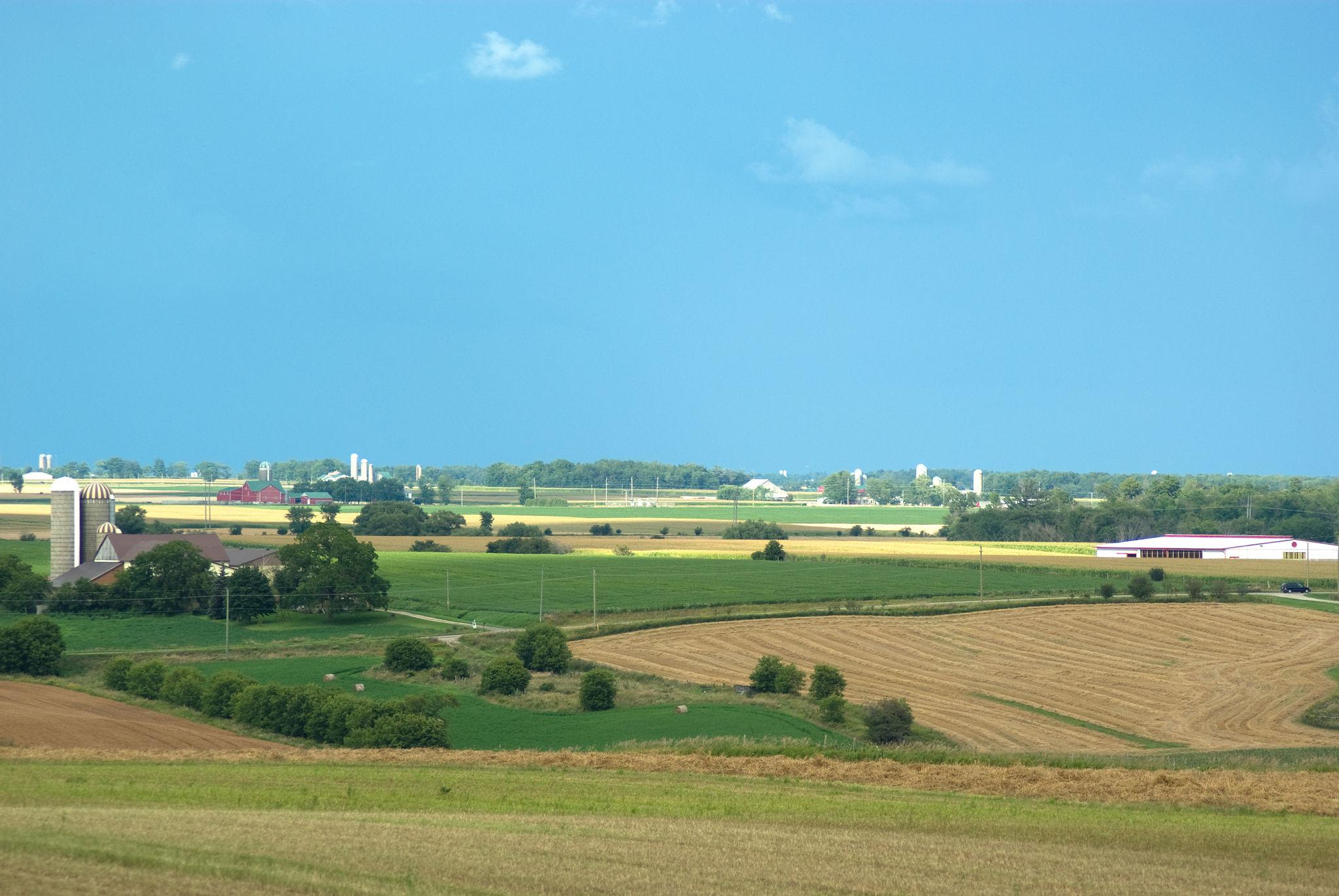
Land assignments in Wellington County divide into three families. Agricultural properties with active operations live in their own universe. Soil capability, drainage, nutrient management, and the productivity of outbuildings carry value as much as road frontage. Specialist commercial land appraisers for Wellington County speak comfortably about per acre pricing, cash rents, and the premium or discount tied to non contiguous fields or split parcels.
Development land inside or adjacent to settlement areas requires a different toolkit. Here, Official Plan designations, zoning compliance, density potential, and municipal servicing drive the residual calculation. The best valuation work is explicit about absorption pace and the timing of infrastructure contributions, not just generic placeholders pulled from a GTA pro forma.
Finally, transitional or speculative land that sits between pure agricultural utility and near term development potential needs judgment. A credible report will outline the municipal policy pathway and then decide whether to value the parcel as agricultural with an overlay of potential, or as early stage development land with conservative entitlement assumptions. Weak reports try to have it both ways and leave readers guessing.
Working with lenders, planners, and lawyers
Most commercial building appraisers in Wellington County know the file will leave your hands and land on someone else’s desk, often a lender underwriter or a municipal planner. A well crafted scope letter keeps everyone aligned. Name the intended user and purpose, list the asset and legal description, and agree on extraordinary assumptions or hypothetical conditions. If environmental reports exist, say so, even if they are historical and clean. If not, the appraiser will likely insert a standard environmental assumption that may read harsher than you expect.
For planning related assignments, provide pre consultation notes from the municipality or a planning opinion letter if you have one. A surprising number of delays come from last minute recognition that a minor variance or site plan approval remains outstanding, which can affect value timing. Appraisers do not fix planning risk, but they can model it if they know it early.
Small market truths that save time and money
Two truths help in Wellington County’s smaller submarkets. First, your perfect comparable may not exist within county lines. Guelph and the Kitchener Waterloo area blend into each other for many industrial users along Highway 7 and Highway 6. A thoughtful appraiser will say so and adjust across municipal boundaries while explaining tenant pools and transport links. Second, condition counts more than vintage. A 1965 block building with a dry roof, modern lighting, and 600 volt power can command stronger effective rents than a 2005 build with deferred maintenance and awkward loading. Ask prospective firms to show how they capture those differences rather than bury them inside a broad physical depreciation bucket.
Two quick vignettes from recent files
A mid sized manufacturer I worked with purchased a 24,000 square foot plant near Silvercreek Parkway. The lender wanted a commercial property assessment for Wellington County on a 20 day clock. The appraiser we chose had just finished two Hanlon area industrial assignments and had active calls with three brokers. That currency showed up in the income approach. They underwrote vacancy at 3 percent, justified by recent absorption, and reconciled a cap rate 25 basis points inside what we first expected, backed by two sales within 8 kilometers. The final value supported the loan to value ratio without pushing the envelope, and the lender cleared it in 48 hours.
A second file involved a 70 acre farm parcel with a mix of Class 1 and Class 2 soils, two barns, and a farmhouse slated for severance. A generalist firm quoted a low fee. A specialized commercial land appraiser raised questions about tile maps, nutrient management plans, and farm business registration. They also noted how the proposed severance could alter access for equipment and reduce the contiguous field block. Their value came in lower than the generalist’s estimate, but it stood up in negotiations and saved the buyer from overpaying by what turned into a six figure margin. The extra week to hire the specialist paid for itself several times over.
Red flags and how top firms avoid them
Three red flags surface often in Wellington County. Over reliance on out of market comparables without adjustment for tenant depth and transport links is the first. Second, a mismatch between the reported gross leasable area and what tenants actually occupy, which can flow from mezzanine counting or shared common areas. Third, generic vacancy and expense assumptions that do not match what local property managers and brokers see on the ground. When you vet commercial appraisal companies in Wellington County, ask them to walk you through a recent rent roll normalization and a cap rate reconciliation from a comparable asset. The ones who do this work daily will answer in specifics, not in valuation textbook language.
Preparing your property for an efficient appraisal
A clean, complete package at engagement shortens the job and yields a tighter report. Organize leases, amendments, and estoppels for every tenant. Provide a rent roll that ties to those documents, including start dates, end dates, base rent, additional rent structure, and options. Hand over site plans, surveys, recent capital expenditures with dates and amounts, and any environmental or building condition assessments. For commercial land, add planning documents, servicing status, and any correspondence with the municipality. Not only does this shave days, it reduces the need for appraisers to rely on broad assumptions that can dilute value support.
Comparing proposals without getting lost in the weeds
When the quotes arrive, line them up on a single page and look for a few anchors:
- Who will sign the report and what designations do they hold, AACI or CRA, and do they have specific experience with your asset type. Which approaches will they apply and why, with an explanation of data sources in Wellington County and adjacent markets. How they handle intended users and reliance language, including lender formats and addendum if required. What assumptions or limiting conditions they expect, especially around environmental, building condition, or planning status. The proposed schedule with a site visit date, draft delivery, and final delivery, and whether a rush is truly available.
Why this market rewards specialist judgment
Wellington County is not a monolith. A retail plaza in the south end of Guelph asks different valuation questions than a two bay industrial condo on Dawson Road, and both differ from a mixed use building on St. Andrew Street in Fergus or a dairy operation near Arthur. The top commercial building appraisers in Wellington County switch lenses quickly and explain their choices. They do not dismiss the cost approach when it can anchor value for unique improvements. They resist the urge to import a GTA cap rate when local tenant depth says otherwise. And when acting as commercial land appraisers, they test development assumptions against real policy pathways and real absorption, rather than rosy pacing that flatters a spreadsheet.
Good valuation reads the asset, not just the market. The companies that excel here ask practical questions early, commit to a timeline that respects lender review, and document each step so the report stands up to second looks. If your file needs to move from an accepted offer to a clear to close, that combination of local knowledge and disciplined process is what carries you over the line.
Final thoughts for owners, lenders, and advisors
If you own, lend on, or advise around commercial real estate in Wellington County, build relationships with two or three firms you trust. Keep them updated when your leases change or when you plan capital projects, so their comps and underwriting stay fresh. Treat them as analysts who can test a thesis before you commit capital, not just vendors who deliver a PDF.
When you next search for commercial appraisal companies in Wellington County, calibrate your pick to the assignment. A national firm can suit a portfolio review or complex litigation. A seasoned regional firm can hit lender timelines for industrial or mixed use buildings in Guelph, Fergus, or Elora. A specialist rural practitioner can steer a farm or development land file away from avoidable mistakes. Whatever the path, insist on transparent assumptions, defendable comparables, and a narrative that respects this county’s particular mix of industry, heritage, and farmland.
Used this way, a commercial building appraisal in Wellington County becomes more than a compliance document. It turns into a working map of the property’s income, risk, and potential, written by someone who actually knows the roads you drive to get there.